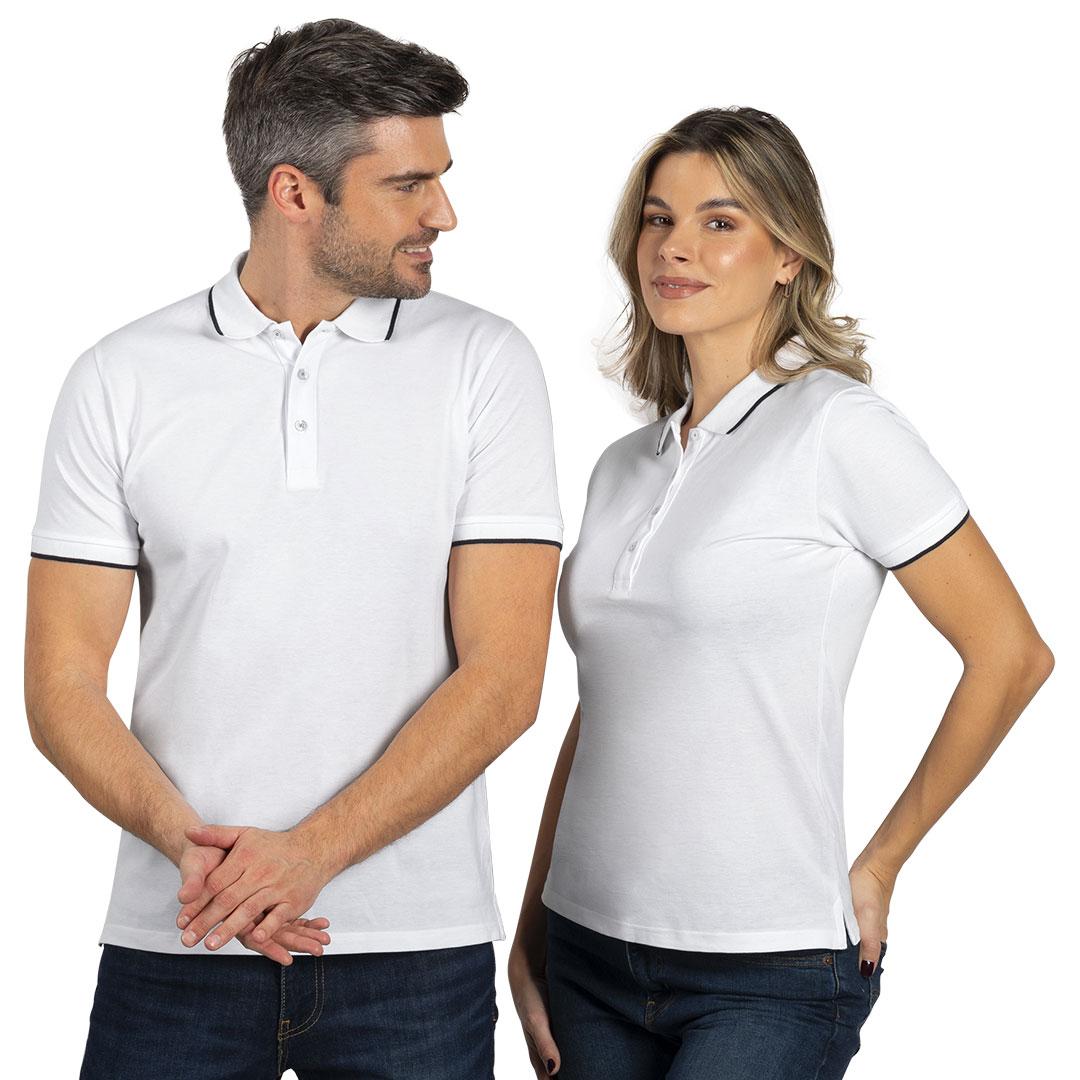
Embroidery vs screen print on textiles: which is right for corporate uniforms?
Detailed comparison of machine embroidery versus textile printing (screen print, DTF, DTG) for employee uniforms, corporate polos, and caps. When to choose e...
If you're building a corporate uniform program, one of your first decisions is whether to embroider your company logo or print it onto shirts, polos, and caps. Both methods are common, durable, and look professional, but they differ significantly in cost, design flexibility, production speed, and long-term wear. The right choice depends on your budget, timeline, desired aesthetic, order size, and how often employees will wash these garments.
How embroidery works for uniforms
Machine embroidery uses thread to stitch your logo or design directly into the fabric. A digitized version of your artwork is loaded into an embroidery machine, which punches a needle through the textile hundreds or thousands of times per minute, layering colored threads to build depth and detail.
Embroidery is prized for its tactile quality and premium appearance. When someone touches an embroidered logo, they feel raised thread, which conveys durability and craftsmanship. For corporate uniforms, this matters because it signals professionalism to clients and reinforces brand identity among staff.
Key characteristics of embroidery:
- Typically requires a minimum order of 12-25 pieces per design, depending on the provider
- Thread is locked into the weave of the fabric, making it extremely durable
- Setup costs (digitization of artwork) range from €20 to €80 per design, depending on complexity
- Per-garment embroidery costs are usually €3 to €8 per item for standard logos on polos and caps
- Lead time is typically 5-10 working days once artwork is approved
- Works well on heavier fabrics like cotton, piqué, canvas, and fleece
- Limited to simpler designs; photorealistic or highly detailed artwork becomes bulky and impractical
Screen printing: volume and speed
Screen printing pushes ink through a mesh screen onto fabric. Each color in your design requires a separate screen, so a five-color logo means five screens. Once screens are prepared, the printing process is fast and cost-effective at scale.
Screen printing dominates large uniform orders because the per-item cost drops dramatically after the initial setup. If you're outfitting 100 employees or more, screen printing typically beats embroidery on unit price.
Why screen printing makes sense:
- Minimum orders are usually 50-100 pieces per design and color combination
- Setup (screen creation) costs €40 to €120 per color
- Per-garment printing runs €1.50 to €4 depending on design complexity and order size
- Lead time is 3-7 working days, often faster than embroidery for large runs
- Handles photorealistic designs, gradients, and fine detail better than embroidery
- The printed image sits on top of the fabric, so very heavy washing can eventually fade it
- Works on lighter fabrics like cotton-polyester blends and performance wear
- Ink can crack if the garment is bent repeatedly or stretched aggressively during wear
Modern alternatives: DTF and DTG printing
Direct-to-film (DTF) and direct-to-garment (DTG) printing are newer methods that bridge embroidery and traditional screen printing. These digital techniques offer design flexibility without the high setup costs.
DTG printers apply water-based ink directly onto cotton and cotton-blend garments using industrial inkjet technology. DTF printing transfers a design printed on special film onto any fabric, including polyester and blends. Both methods allow full-color, photorealistic designs without creating separate screens for each color.
When DTF and DTG make sense:
- No minimum order requirement; single pieces can be printed economically
- No setup costs beyond a small per-garment processing fee
- Per-garment cost is €2 to €5, scaling down only marginally for larger orders
- Lead time can be as short as 1-3 working days
- Excellent for designs with multiple colors, gradients, or photographic elements
- DTG is best on cotton and light blends; DTG prints can feel slightly stiff
- DTF works on polyester, darker fabrics, and performance wear
- Color vibrancy is excellent, but prints may fade faster than screen print after 50+ washes
Durability and washing performance
Corporate uniforms must withstand repeated washing. Here is how each method holds up after 50 washes in typical industrial laundry conditions (warm water, standard detergent, tumble dry).
Embroidery remains structurally intact after 50 washes. The threads are locked into the fabric weave and do not fade. Over time, the edges of an embroidered logo may fray slightly if not backed with stabilizer during production, but the design stays vibrant and readable. Embroidery is the best choice if durability is your top priority.
Screen printing retains color and clarity for 50 washes if properly cured. However, the ink layer can begin to crack or peel at seams and stress points after 40-60 washes, especially on stretch fabrics. High-quality screen printing with proper flash curing and ink selection extends this window. Standard screen print on cotton remains visible and professional-looking for the typical two-year life of a uniform.
DTG prints fade noticeably after 30-40 washes, with colors becoming muted. The print may also develop a slight stiffness or cracking, especially if the garment is frequently flexed or worn in high-friction areas. DTG is ideal for short-term wear or promotional items, less so for long-term uniforms.
DTF printing is more durable than DTG, holding color integrity through 40-50 washes before visible fading. It resists cracking better on stretch fabrics than screen print, making it suitable for performance uniforms.
Cost and lead time comparison
Your budget and timeline will often settle the decision.
For small orders (12-50 pieces):
- Embroidery is typically cheaper per item (€3-€8) with no setup costs beyond digitization
- Screen printing requires high setup fees relative to the small order, making total cost per piece higher
- DTF/DTG offers no setup cost, so per-piece pricing is competitive
For medium orders (50-200 pieces):
- Screen printing becomes cost-effective; per-piece cost drops to €2-€3
- Embroidery remains steady at €3-€8 per item
- DTF/DTG per-piece cost does not drop much, staying around €2.50-€5
For large orders (200+ pieces):
- Screen printing wins on price, dropping to €1.50-€2.50 per piece
- Embroidery per-item cost stays consistent, so total cost rises
- DTF/DTG pricing remains relatively flat
Lead times: embroidery and screen printing typically take 5-10 working days. DTF/DTG can deliver in 1-3 days if you are not at the back of a queue. If you need uniforms in a week, embroidery is risky; screen printing or DTF are safer.
Design and fabric considerations
Not all methods work equally well on all fabrics and designs.
Embroidery works best on sturdy, stable fabrics like cotton piqué, twill, canvas, and heavy fleece. It struggles on thin, stretchy, or slippery materials because the needle can pucker or distort the weave. Fine details, thin lines, and photorealistic images are not practical in embroidery; they become too bulky or illegible.
Screen printing tolerates a wider range of fabrics, from lightweight cotton-poly blends to performance synthetics. However, it requires adequate fabric tension during printing, so very stretchy or unstable materials can shift and blur the image. Designs with fine detail and multiple colors are possible but expensive (more screens).
DTG and DTF print any design complexity without restriction. They excel at full-color logos, photographic images, and intricate artwork. The trade-off is durability: these prints fade faster than embroidery or properly executed screen printing.
Pyetje të shpeshta
Which method is best for company polos and caps?
Embroidery is the gold standard for polos and caps because these items are washed frequently and seen by clients and customers. The raised, stitched logo signals quality and looks sharp after dozens of washes. Screen printing is also acceptable for polos if you are ordering 100+ units; it looks professional and costs less. For caps specifically, embroidery is preferable because caps flex during wear and screen-printed ink can crack at seams.
Can I mix embroidery and screen printing in one order?
Yes, many suppliers produce both. Some companies embroider polos and caps while screen printing t-shirts or outerwear in the same order. This is a practical approach if you want the premium look of embroidery on high-visibility items and the cost savings of screen printing on lower-wear pieces. Setup and lead times will be slightly longer because two production processes are running.
How do I know if my logo is suitable for embroidery?
Simple logos with thick lines, distinct color blocks, and minimal fine detail work best for embroidery. Logos with thin lines, gradients, or photographic elements should be screen printed or printed via DTF/DTG instead. A print provider can assess your artwork and recommend the best method during the design consultation phase.
What is the actual difference in cost between 100 embroidered polos and 100 screen-printed polos?
At 100 polos, embroidery typically costs €300-€800 total (€3-€8 per piece) plus €40-€80 digitization. Screen printing costs €150-€400 total (€1.50-€4 per piece) plus €40-€120 in setup per color. Screen printing saves you €100-€400 on a 100-piece order, but embroidery remains sharper after 50+ washes. The cost difference narrows significantly when comparing long-term durability.
Si të vazhdoni
When you're ready to compare embroidery and screen printing for your uniforms, JusaPrint can guide you through both options and provide accurate pricing for your specific order.
Visit our quote page to submit details about your project: the number of garments, the garment type (polo, t-shirt, cap, etc.), your logo or design file, and your preferred method or willingness to explore both. You can also message us directly with questions about design compatibility, lead time, or durability expectations.
Bring your logo file (vector format like .AI or .PDF works best) and a clear sense of your order volume and timeline. Our team will give you honest recommendations and transparent pricing so you can make the right choice for your corporate uniform program.